
 See Our Latest Article on HelloNation

What Is Chiropractic Care and How Does It Address Pain?
Chiropractic care is a healthcare discipline focused on diagnosing and managing issues related to the musculoskeletal system, particularly the spine. Local residents dealing with back pain, neck pain, joint discomfort, or persistent muscle aches may wonder how chiropractic approaches differ from standard medical pain management.
Chiropractors use hands-on spinal adjustments and other manual techniques to help improve alignment, mobility, and nerve function. The goal is not only to reduce symptoms but also to address some of the underlying sources of physical discomfort. In many non-emergency cases, this approach offers an alternative or complement to medication and more invasive treatments.
What Types of Pain Can Chiropractic Approaches Help Manage?
Many people in Suffern experience pain related to everyday activities, seasonal yardwork, commuting, or sports. Chiropractic care often addresses:
- Back pain, including discomfort from working at home offices or shoveling snow during local winters
- Neck pain, which sometimes follows long drives or time spent looking at screens
- Headaches related to tension or posture issues
- Joint pain, especially in the shoulders or knees, sometimes aggravated by local recreational activities or aging
- Sciatica and nerve-related symptoms that travel down the legs
It is useful for residents to recognize that chiropractic approaches are typically best suited to musculoskeletal problems, rather than pain caused by fractures, infections, or more serious medical conditions. Chronic pain that is unexplained or comes with weight loss, fevers, or numbness should be medically evaluated before considering manual therapies.
How Do Chiropractic Adjustments Work?
A chiropractic adjustment involves a precise, controlled force applied to a joint (most commonly along the spine) to improve its movement and function. The intent is to reduce irritation of nerves and restore better overall mechanics.
For local patients, the process usually begins with a health history and a physical exam to understand the likely cause of pain. Adjustments may be performed lying down or seated. Many people feel some immediate relief or increased mobility, while others notice gradual improvements over several visits.
Chiropractic care may also be combined with stretches, rehabilitative exercises, or basic lifestyle guidance about posture and movement to help local households manage recurrent aches, whether from gardening, snow shoveling, or sports.
Is Chiropractic Only About Back Cracks?
Some residents worry that chiropractic care is limited to “cracking backs.” In fact, it typically involves a range of techniques:
- Manual adjustments: The most traditional method, involving a controlled push to improve joint movement
- Soft tissue therapy: Includes focused pressure on sore or tight muscles, which is helpful after activities like hiking local trails or spring cleaning
- Exercise recommendations: Simple stretches or strengthening exercises are sometimes suggested to reinforce the benefits of hands-on work
Education about ergonomics and posture is routinely provided to help area workers or students reduce the chances of pain recurring in everyday life. This holistic approach may be especially relevant for households that have shifted work or study routines in recent years.
What Are Common Misconceptions About Chiropractic Pain Management?
Several misunderstandings persist, especially among new patients:
- Chiropractic care is only for back pain: It can help with many types of musculoskeletal problems, not just the back.
- Adjustments are always painful: Most are gentle, and significant pain is uncommon.
- It’s not evidence-based: While more research is always helpful, several studies suggest chiropractic methods can be effective for conditions like acute low back pain and certain headaches.
- You must keep going forever: Care plans vary depending on each individual’s needs. Some people benefit from occasional “maintenance,” while others come only when issues arise.
Being informed helps area residents set realistic expectations and make confident decisions about their health.
How Safe Is Chiropractic Care for the Suffern Community?
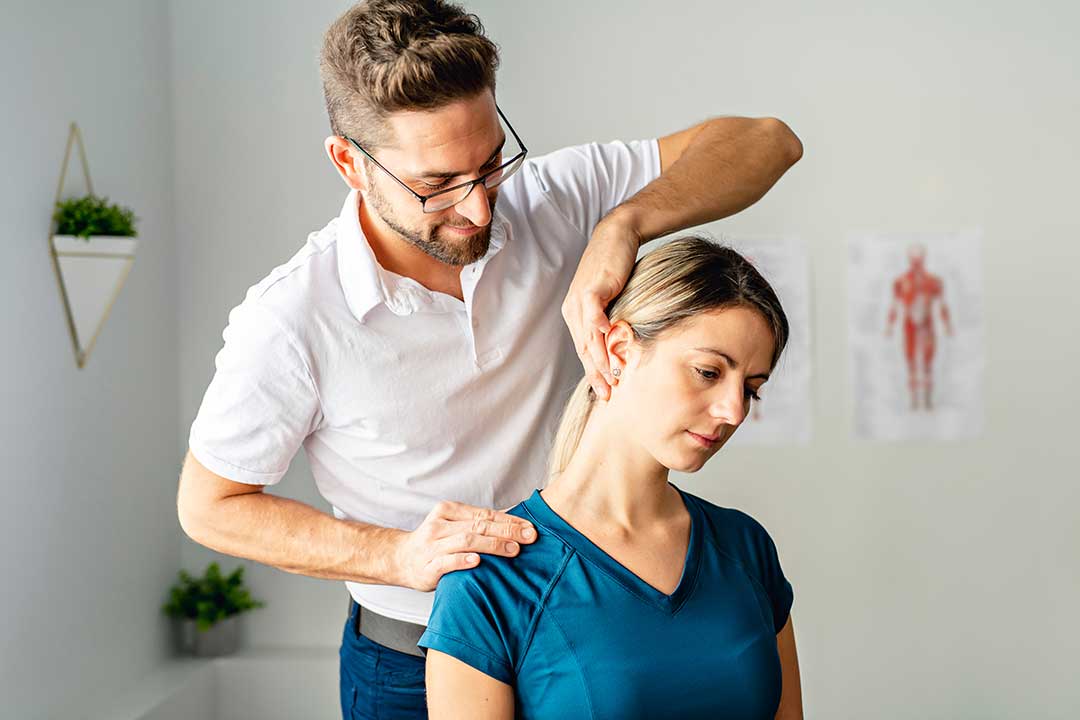
For most healthy adults, chiropractic techniques are considered safe when performed by licensed providers. Mild soreness can happen, much like after a new exercise. Serious complications are rare but may include worsening of a disc injury or, in rare cases, nerve irritation.
Safety is enhanced by open communication—let your provider know about recent injuries, surgeries, or chronic conditions. This is particularly important for those with osteoporosis, cancer, or other significant health diagnoses seen in some older local residents.
Children, pregnant individuals, and seniors in the community may benefit from modified techniques tailored to their needs.
When Should Local Residents Consider Chiropractic Care for Pain?
Chiropractic care can be a reasonable option for area residents when:
- Pain is related to posture, repetitive movements, or everyday strains (such as yardwork in late autumn or long car rides)
- Previous imaging (like X-rays) has shown no need for emergency interventions
- Medication alone isn’t effective or desirable
- You want to explore non-surgical, non-pharmacological strategies for long-term pain management
Before starting any new approach to care, especially with underlying health issues, discussing history and expectations openly helps ensure that the chosen path matches local lifestyles and personal health.
What Should Suffern Residents Expect from a First Visit?
The initial appointment often involves:
- A detailed discussion of health history, daily habits, and pain patterns (from shoveling driveways to household lifting)
- A physical exam focused on posture, joint mobility, and soft tissue sensitivity
- Suggestions for movement and self-care, sometimes including stretches for common complaints like neck stiffness after long commutes
Ongoing visits—if recommended—may be less frequent than many assume, especially if self-management at home is effective.
How Does Chiropractic Fit with Other Pain Management Methods?
Many local residents use chiropractic alongside other methods. This can include physical therapy, over-the-counter pain relief, or mindfulness practices. Open communication with other healthcare providers supports safe, coordinated care, especially for those with complex medical needs.
For those interested in preventive health over the long New York winters, regular movement and posture awareness—sometimes supported by occasional chiropractic check-ins—may be as important as hands-on treatments.
