
 See Our Latest Article on HelloNation
How Does Aging Affect Mobility for Residents in Suffern, NY?
Aging often brings changes to joints, muscles, and the nervous system that can restrict everyday movement. Residents in Suffern, NY may experience challenges such as stiffness after being indoors during cold winters, or increased joint aches following walks around local neighborhoods. Reduced flexibility from arthritis or slowed reflexes can make daily activities—from gardening to using stairs—more difficult.
Staying active is an important part of aging well, but discomfort, pain, and limited range often discourage seniors from moving as much as they'd like. This can start to impact independence and overall quality of life. Many in the community look for natural, non-drug approaches to maintain their mobility and safely enjoy life at home and around the city.
What Role Does Chiropractic Play in Supporting Mobility?
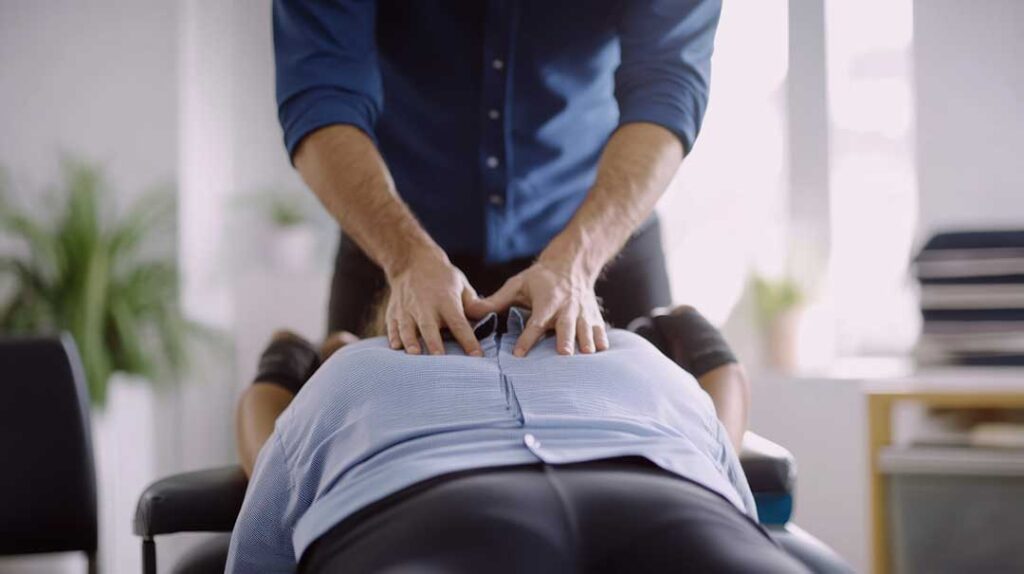
Chiropractic care focuses on preserving motion and comfortable joint function through gentle, hands-on treatments. For many seniors, this means receiving individualized care to address stiffness, imbalances, or nerve-related issues that may be limiting movement.
Chiropractic adjustments, stretching routines, and personalized exercise suggestions are often designed to:
- Increase flexibility in the spine and extremities
- Reduce irritation of nerves that can cause shooting pain or tingling
- Encourage proper posture, which is especially important for seniors living in homes with stairs or older flooring
- Relieve muscle tension and improve coordination
These methods are non-surgical and usually performed without medications, making them appealing for those seeking approaches that fit within common preferences for minimal intervention.
What Does a Typical Chiropractic Assessment Look Like for a Senior?
A senior’s initial visit often starts with a detailed discussion about their health history and mobility concerns. This is followed by assessments of posture, range of motion, and muscle strength. Chiropractors typically check for:
- Areas of the spine that move less than they should
- Signs of joint inflammation or musculoskeletal imbalance
- Gait and balance patterns, which are particularly important for those wishing to prevent falls during icy conditions or when navigating uneven sidewalks
These findings help create a plan that supports the individual’s goals, whether it’s walking more easily, climbing steps at home, or participating in local activities.
How Do Chiropractic Adjustments Help Improve Movement?
Chiropractic adjustments are gentle, manual techniques applied to specific joints—most commonly in the spine, but also in the shoulders, hips, wrists, and ankles. These adjustments are tailored to be very safe for seniors, often modified for those with osteoporosis or joint replacements.
Adjustments aim to:
- Restore more normal joint motion, which can decrease stiffness
- Ease nerve restrictions that contribute to discomfort or numbness
- Improve muscle balance, reducing the risk of compensatory movements that make some activities feel awkward
Careful technique helps older adults in the area move with less discomfort, improving confidence when walking outdoors or performing household chores.
Are There Additional Approaches Commonly Used Alongside Adjustments?
Yes, chiropractors often suggest routines to enhance the effects of spinal care:
- Stretching programs to maintain flexibility, especially as outdoor activities often fluctuate with the region’s seasonal changes
- Home exercises tailored for small spaces, allowing residents to stay active even if weather keeps them indoors
- Advice on simple ergonomic changes—such as safer furniture arrangements or modifying the setup for daily tasks
Guidance is customized for each person, considering lifestyle, local housing layouts, and common activities here in Suffern.
Can Chiropractic Help Prevent Falls in Local Seniors?
Falls are a leading concern for area seniors, particularly with slippery sidewalks or uneven pathways found in some neighborhoods. Chiropractic care can be part of an overall fall-prevention strategy by:
- Improving joint alignment, which supports stable walking
- Enhancing balance through spinal and muscular treatments
- Recommending exercises designed to boost coordination and leg strength

Chiropractic is not a substitute for medical care after a fall, but ongoing attention to joint motion and posture can lower daily risk and reassure those wishing to remain active in their own homes.
What Are Common Misconceptions About Chiropractic for Seniors?
Many people wonder if chiropractic care is safe or suitable for older adults. Some misconceptions include:
- Believing spinal adjustments are always forceful—techniques are commonly adapted for seniors to be gentle and safe
- Worry that adjustments could harm those with osteoporosis—experienced practitioners use modified methods to minimize risk
- Thinking chiropractic is only for back pain—services are often used to boost mobility, posture, and overall movement
Seniors living in the community should discuss any concerns about frailty or prior surgeries at their assessment so care can be further customized.
What Should Residents Know Before Considering Chiropractic for Mobility Issues?
Residents exploring chiropractic for mobility support should:
- Share all medications and health history, as these affect recommendations
- Understand that chiropractic often works best as part of a broader self-care routine, involving gradual increases in activity and healthy lifestyle decisions
- Know that progress can be gradual—long-lasting improvements to flexibility and balance are built over time
Community members sometimes combine chiropractic with other wellness supports such as physical activity groups, local walking clubs, or programs for aging in place.
How Can Seniors in Suffern Maintain Mobility Beyond Chiropractic Visits?
Chiropractic can provide valuable support, but daily habits play a large role in keeping joints healthy and maintaining independence. Seniors are encouraged to:
- Stay as active as possible given their comfort level, using resources available in community centers or parks
- Practice gentle stretching, particularly during long periods indoors when weather limits outdoor movement
- Check home environments for trip hazards, especially in older houses with steps or area rugs
- Coordinate with healthcare providers for integrated support, especially when managing chronic joint issues or complex health needs
Paying attention to posture and making minor changes to daily routines—like using supportive shoes for errands or taking regular breaks from sitting—can help area residents enjoy greater independence as they age.
